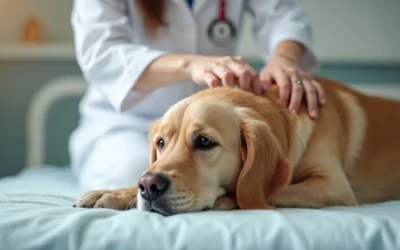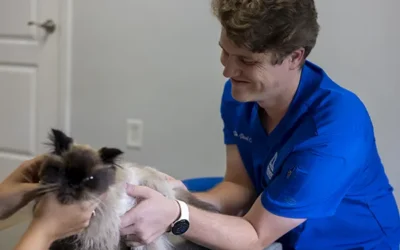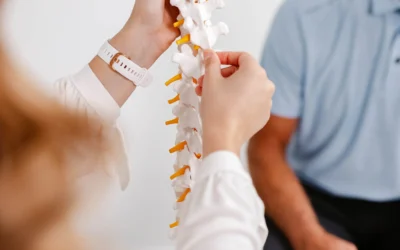

As dogs get older, their bodies change. Joints stiffen, muscles weaken, and everyday movements that used to be effortless begin to feel challenging. Many pet parents start looking into dog mobility aids once they notice their dog hesitating to climb stairs, struggling to stand up, or slowing down on walks. These tools can make a life-changing difference, but choosing the right one depends on your dog’s specific needs and underlying conditions.
At Trilogy Chiropractic, we work with pets experiencing mobility challenges every day. Our movement-based approach helps reduce pain, improve gait, and restore comfort, but many dogs also benefit from the added support of different mobility aids. This guide explains the most common types, how they help, and how to choose the best option for your aging companion.
Why Dog Mobility Aids Become Important
Aging dogs often struggle with arthritis, muscle loss, joint instability, neurological changes, or injuries that never fully healed. These issues make it harder for them to move normally, which can cause discomfort and frustration.
Dog mobility aids help by:
- Reducing pressure on painful joints
- Improving balance and stability
- Supporting weak muscles
- Increasing independence
- Preventing falls or further injury
When used correctly, mobility aids can dramatically improve your dog’s quality of life and help them stay active for longer.
Signs Your Dog May Need Additional Support
You may have noticed your dog slowing down, but knowing when to consider dog mobility aids can be tricky. Look for signs such as:
- Difficulty standing up from lying down
- Trouble climbing stairs or jumping on furniture
- Frequent slipping on smooth floors
- Walking with a stiff, uneven, or unsteady gait
- Reluctance to go on walks
- Back leg weakness or dragging paws
- Decreased interest in play
These symptoms often indicate joint discomfort or muscular weakness. A chiropractic evaluation can help identify the cause and determine which aids will offer the most benefit.
Understanding the Different Types of Dog Mobility Aids
There is no one size fits all solution. The best dog mobility aids depend on your dog’s condition, age, strength, and overall mobility level. Here are the most commonly recommended options.
Lifting Harnesses and Support Slings
These are some of the most helpful dog mobility aids for pets with hind leg weakness, arthritis, or post surgery recovery.
Benefits:
- Assist with standing up
- Provide stability on stairs
- Reduce strain on joints
- Help pet parents safely support their dog’s weight
Harnesses come in front end, rear end, and full body options. Dogs with hip issues often benefit from rear support, while those with front leg or spine problems may need a front harness.
Dog Wheelchairs and Carts
Wheelchairs are designed for dogs with significant hind leg weakness, paralysis, or neurological conditions. They allow the dog to use their front legs while the cart supports the back end.
Best for:
- Degenerative myelopathy
- Severe arthritis
- Spinal injuries
- Long term mobility loss
These dog mobility aids help pets stay active, prevent muscle atrophy, and maintain cardiovascular health even when walking independently becomes too difficult.
Ramps and Stairs
Mobility problems often show up when dogs try to jump onto furniture or into cars. Ramps and stairs are simple dog mobility aids that reduce joint strain and prevent further injury.
Great for dogs with:
- Arthritis
- Hip dysplasia
- Back problems
- Post surgical restrictions
A ramp allows dogs to maintain independence without risking painful jumps and are a great preventative strategy for pet parents to protect their dog’s joints over time
Traction Aids
Dogs with weak legs often slip on hardwood or tile floors. Traction dog mobility aids improve stability and confidence.
Options include:
- Anti slip socks
- Paw grips
- Rubberized booties
- Non slip mats
These tools help dogs feel safer moving around the house, especially seniors with muscle weakness.
Joint Friendly Bedding
Thick, supportive bedding is one of the most underrated dog mobility aids. Orthopedic beds minimize pressure on painful joints, reduce stiffness, and improve sleep quality.
Look for:
- Memory foam
- Egg crate foam
- Raised edges for support
- Easy to wash covers
Comfortable sleep contributes directly to better mobility during the day.
When Chiropractic Care Should Be Combined With Mobility Aids
Dog mobility aids provide external support, but chiropractic care helps improve the internal mechanics of movement. Many dogs benefit from using both.
Chiropractic adjustments can:
- Reduce joint restrictions
- Improve alignment
- Decrease inflammation
- Enhance nerve function
- Increase range of motion
When combined with supportive tools like harnesses or ramps, your dog moves more comfortably and safely.
How to Choose the Right Mobility Aid for Your Dog
With so many dog mobility aids available, it can feel overwhelming. Here are the key factors to consider:
1. Your Dog’s Condition
Dogs with arthritis may benefit from ramps and harnesses, while neurological conditions may require braces or wheelchairs.
2. Your Dog’s Size and Strength
Large dogs need sturdier, more supportive equipment.
Smaller dogs may benefit from lightweight aids designed for their frame.
3. Activity Level
High energy dogs may need more robust harnesses or carts.
Calmer dogs may prefer softer, more comfortable support options.
4. Ease of Use
If it is difficult to put on, you are less likely to use it consistently. Choose something that fits your routine.
5. Professional Guidance
A chiropractor or mobility specialist can recommend the right combination of dog mobility aids based on your pet’s unique needs.
Why Professional Evaluation Matters
Choosing the wrong mobility aid can do more harm than good. Over supporting a limb can weaken muscles, while under supporting it can strain joints or nerves.
A professional evaluation helps identify:
- The root cause of mobility issues
- How severe the problem is
- Which aids will help without limiting strength
- Whether chiropractic care can support recovery
At Trilogy Chiropractic, we observe gait patterns, joint function, posture, and muscular compensation to build a safe, personalized plan.
Give Your Dog the Comfort and Support They Deserve
Aging does not have to mean losing mobility. With the right dog mobility aids and natural mobility focused care, your pet can stay active, comfortable, and independent well into their senior years.
If your dog is slowing down or showing signs of discomfort, Trilogy Chiropractic is here to help. Contact us today for a mobility assessment and learn how to support your dog’s health through every stage of life.