
Don't Wait for the Limp
-
The "Elevator" Rise: Does your pet push themselves up with their front legs first while their back end lags behind? This often indicates lumbar or pelvic stiffness.
-
The Hesitation Waltz: Do they stand at the bottom of the stairs or the edge of the car seat, "measuring" the jump before committing?
-
The "Puppy Dog" Slump: When sitting, do they let their legs slide out to one side (a "lazy sit") rather than keeping their tucked, symmetrical posture?
-
The Changing Temperament: Has your social butterfly become a bit "grumpy" or withdrawn? Chronic physical tension often leads to a lower threshold for touch or play.
The Long-Term Cost of Delay
Header: From Minor Stiffness to Mobility Decline Subheader: Ignoring these early whispers of pain can lead to "compensatory patterns." When one part of the body hurts, the pet overuses another, leading to a chain reaction of inflammation and accelerated wear and tear.
Request an Appointment:
The Pain-Free Pet Evaluation
Most pets are masters at masking discomfort until it's too late. Our Pain-Free Pet Evaluation is a specialized structural assessment designed to uncover hidden tension, spinal stiffness, and nerve interference that standard exams often miss. Give them back their spark and ensure they move as well as they feel.

The "Elevator" Rise
Pushing up with front legs while the back end lags behind—a classic sign of lumbar stiffness.

The Hesitation Waltz
Pausing or "measuring" the height before jumping into the car or onto the sofa.

The Lazy Sit
Letting their legs slide out to one side rather than sitting tucked and symmetrical.

Loss of Spark
Shorter interest in walks, "grumpiness" with other pets, or a roached (arched) back posture.
Inside the Pain-Free Pet Evaluation
We don't just look at symptoms; we look at the "chassis"—the bones, joints, and nervous system that dictate your pet’s quality of life.
-
Phase 1: Dynamic Gait Analysis: We observe your pet in motion to identify "crabbing," weight-shifting, or shortened strides that indicate a lack of coordination.
-
Phase 2: Spinal & Structural Palpation: Using a gentle, specialized touch, we feel for "stuck" joints (subluxations) and areas of heat or muscle guarding.
-
Phase 3: Neurological Connection Check: We ensure the spine is protecting the nervous system correctly, allowing the brain to communicate clearly with the rest of the body.
-
Phase 4: Findings & Care Plan: We sit down with you to discuss exactly what we found. If they are in great shape, we'll tell you. If they need care, we provide a personalized roadmap to restore their mobility.
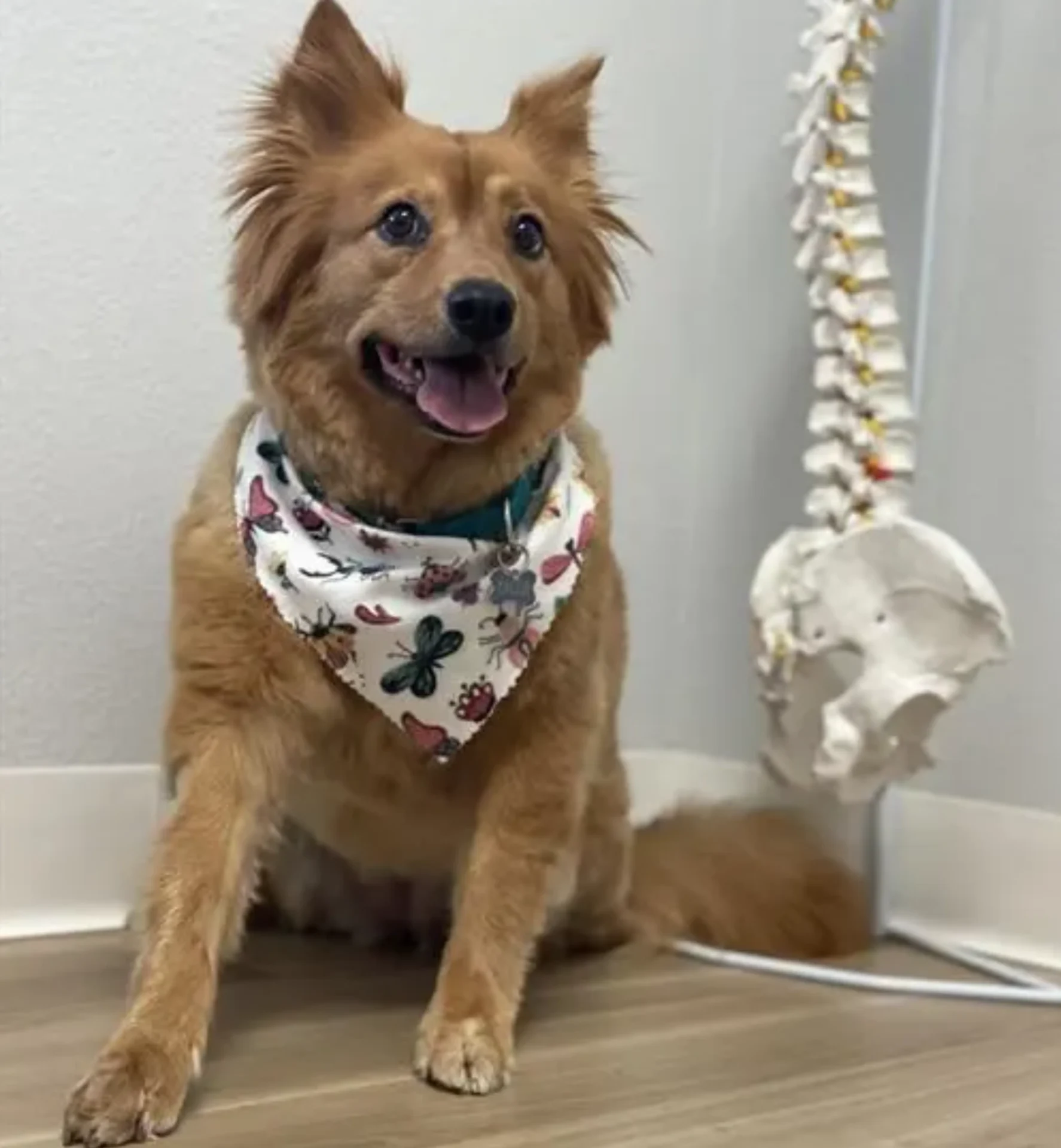

Why This Isn't a Standard "Vet Visit"
-
No Forced Restraint: We perform our assessments in a relaxed environment, often on the floor where your pet feels most secure, rather than high up on a cold metal table.
-
Neurological Precision: We don't just "crack" joints. We use specific, low-force inputs to communicate with the nervous system, making it safe for seniors, puppies, and high-performance athletes alike.
-
Education-First Approach: You are part of the team. We explain every finding in "human terms" so you leave feeling empowered to help your pet at home.
Join Hundreds of Local Pet Parents Who Chose Proactive Care.
We specialize in functional wellness that helps pets move better, feel better, and live longer, more active lives.
I found Trilogy Chiropractic on Facebook and brought my dog in to see if they could help with my 6 year old Boxer’s limp. Dr B did an analysis and we started Lana on a treatment plan. Lana no longer limps and her gait has improved. I decided to have my own needs evaluated and addressed and definitely have noticed an improvement as a triathlete. I’m not longer in pain when I run which was a huge issues for me.
I've been a Chiropractic fan for over 50 years and I've seen many chiropractors over that period of time. Dr. Brianna is so smart and her techniques are wonderful. She also treats my dog and we both go at the same time. Which makes it very convenient. Very clean. Wonderful staff and great treatments.
This is an incredible team, we came here in hopes of both a wellness check on our pup and to also have his hip and neck checked out. Dr. Paul and Dr Brianna took the time to meet our pup and the staff was absolutely incredible. They have a very detail oriented and technical approach to determine any biomechanical misalignments. Dr Brianna made the adjustments and the results were immediate, we are absolutely blown away by their service.
I wanted to give 100 stars! I inherited JoJo with severe arthritis in his right hind quarter. Getting JoJo adjusted has been a life changer for this boy. Everyone in the office is friendly, JoJo is especially fond of Morgan. Dr. Paul is phenomenal. He has genuine concern for getting JoJo to his maximum health. The ease of making appointments online makes even that process run smoothly. I drive from Clearwater to Bradenton every week to see Dr. Paul. JoJo has done very well under their care.
Give Them Their Mobility Back Today
Your pet shouldn't have to "tough it out." At Trilogy, we believe that every wag, jump, and zoomie is a sign of a body in balance. Our Pain-Free Pet Evaluation is the first step toward a longer, more active life together. Whether your goal is a more comfortable walk around the block or returning to peak athletic performance, it all starts with identifying the "silent" signals of stress.