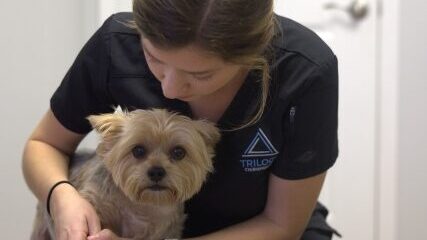
If you have ever found yourself asking why is my dog limping?, You are not alone. Limping is one of the most common symptoms pet parents notice, and it can be caused by anything from a minor irritation to a serious medical condition. Dogs often hide pain well, so limping is usually one of the first outward signs that something is wrong. Understanding why it happens and what to do next can make a big difference in your dog’s comfort and recovery.
At Trilogy Chiropractic, we help both humans and their pets achieve better mobility, and we know how stressful it can be when your dog suddenly develops a limp. This guide breaks down the most common reasons, the warning signs to watch for, and when professional care is needed.
What Limping Actually Means
Limping, also known as lameness, is an abnormal gait caused by pain, weakness, structural problems, or neurological issues. Limping can come on suddenly or develop gradually over time. Your dog may:
- Avoid putting weight on one leg
• Walk stiffly
• Favor one side
• Struggle getting up or down
• Refuse to run or play
When an pet parent starts thinking why is my dog limping?, the important next step is figuring out whether the limp is mild, moderate, or severe.
Sudden Limping vs Gradual Limping
The timeline of the limp is a big clue.
Sudden Limping
Sudden limping often indicates:
• Sprains or strains
• Paw injuries
• Broken nails
• Joint dislocation
• Fractures
• Bee stings or insect bites
This type of limping appears out of nowhere. One minute your dog is running normally, the next they are limping or refusing to bear weight.
Gradual Limping
Gradual limping tends to develop over weeks or months and may point to:
• Arthritis
• Hip dysplasia
• Elbow dysplasia
• Ligament degeneration
• Chronic overuse injuries
If you have been wondering “why is my dog limping” for weeks and the limp is slowly getting worse, an underlying orthopedic condition is more likely.
Top Causes of Limping in Dogs
1. Paw or Pad Injuries
Dogs step on sharp objects all the time. Glass, rocks, burrs, thorns, or hot pavement can injure the paw pads.
Signs to look for:
• Chewing the paw
• Bleeding
• Redness or swelling
• Nail hanging or broken
Even small pad injuries can be painful enough to change how your dog walks.
- Sprains and Soft Tissue Injuries
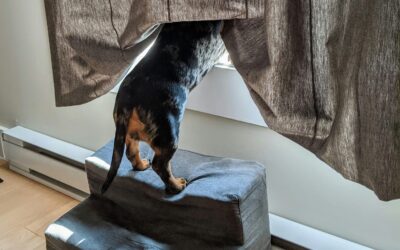
Playtime accidents, roughhousing, or missteps off the couch can cause sprained ligaments or strained muscles. These are among the most common reasons people ask why is my dog limping?.
Dogs may limp more after resting and loosen up as they move.
3. Torn ACL (CCL Injury)
A torn cranial cruciate ligament is the canine version of an ACL tear in humans. This injury causes sudden, severe limping and often requires surgery or structured rehabilitation.
Common signs:
• Sudden non-weight bearing
• Knee swelling
• Difficulty rising
Large and active breeds are especially at risk.
4. Arthritis
Arthritis is a leading cause of chronic limping, especially in older dogs.
Symptoms tend to include:
• Stiffness after waking
• Trouble climbing stairs
• Gradual decrease in activity
Pet parents often think the limp appeared suddenly, but arthritis usually progresses slowly over the years.
5. Hip or Elbow Dysplasia
These inherited joint problems cause improper joint formation, leading to pain and mobility issues.
Dogs with dysplasia may:
• Bunny hop while running
• Show stiffness after exercise
• Develop chronic limping
Breeds like German Shepherds, Labradors, and Golden Retrievers have higher risk.
6. Luxating Patella
This condition occurs when the kneecap slides in and out of its normal position.
You may notice:
• Limping that comes and goes
• Skipping steps
• Sudden leg lifting followed by a normal walk
Small breeds are especially prone to this issue.
7. Broken Nails or Nail Bed Injuries
A cracked or torn nail is surprisingly painful. Dogs often limp dramatically from something that looks minor to humans.
8. Bone Fractures
If the limp is severe and your dog refuses to bear any weight, a fracture is possible. These injuries require immediate veterinary attention.
9. Infections
Bacterial infections, wounds, or tick-borne illnesses can affect joints and cause limping.
Look for signs such as:
• Fever
• Warm, swollen joints
• Lethargy
10. Cancer or Bone Disease
Although rare, bone tumors such as osteosarcoma can cause persistent limping that does not improve with rest.
If you are asking why is my dog limping? and your dog’s condition is progressively worsening, deeper evaluation is necessary.
When Limping Is an Emergency
Seek immediate veterinary care if your dog:
• Cannot stand or walk
• Refuses to bear weight at all
• Has a visibly broken bone
• Has a swollen or bruised limb
• Experienced trauma, like being hit by a car
• Is crying or yelping when the limb is touched
These may indicate fractures, severe ligament tears, or neurological issues.
What You Can Do at Home
For mild limping:
- Restrict activity
• Check paws for foreign objects
• Trim broken nails
• Clean any small cuts
• Use a cold compress for swelling
• Keep your dog from jumping or running
If symptoms do not improve within 24 to 48 hours, seek professional evaluation.
How Chiropractic Care Helps Dogs
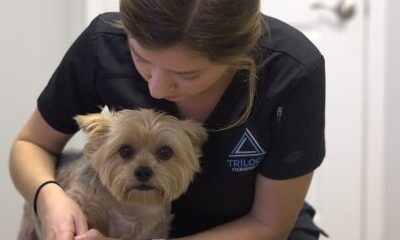
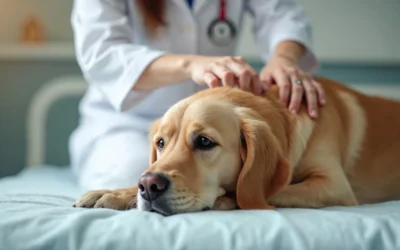
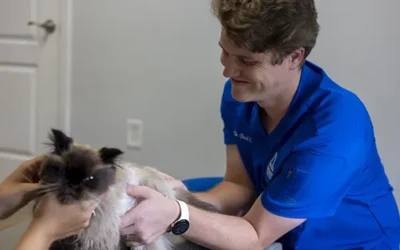
Many soft tissue injuries, joint issues, and movement imbalances improve with gentle chiropractic techniques. Trilogy Chiropractic provides mobility focused care that helps dogs recover naturally and comfortably.
Canine chiropractic can:
• Reduce joint restrictions
• Ease muscle tension
• Improve gait and movement
• Support post surgery rehabilitation
• Decrease pain from chronic conditions
Chiropractic care is especially helpful for dogs recovering from sprains, arthritis, dysplasia related discomfort, and age related stiffness.
When to Call a Professional
If you have been asking “why is my dog limping?” for days and the limp is not improving, your dog needs a professional evaluation. Early diagnosis prevents small issues from turning into long lasting injuries.
Trilogy Chiropractic offers pet friendly, movement based care designed to relieve pain naturally and support joint health for dogs of all ages and activity levels.
Help Your Dog Move Better Today
Limping is a sign that your dog is struggling with discomfort, injury, or inflammation. Instead of guessing “why is my dog limping”, let our team help you understand the cause and provide safe, natural solutions to support your dog’s mobility.
Contact Trilogy Chiropractic today to schedule a gentle, pet friendly mobility assessment.